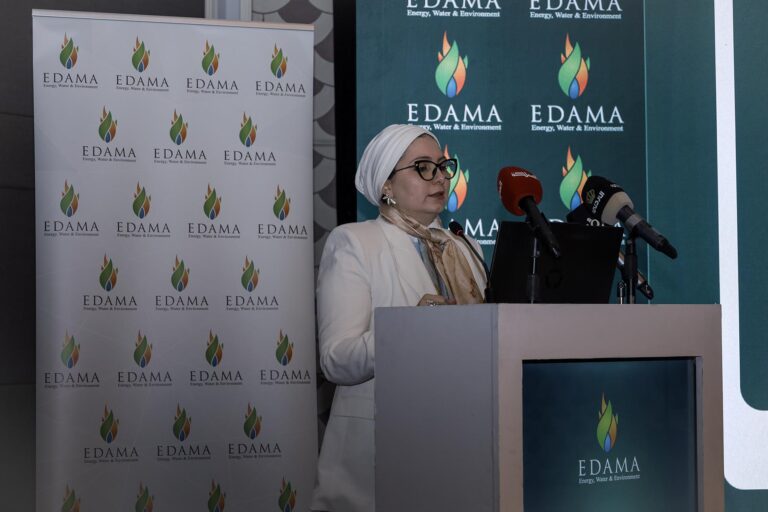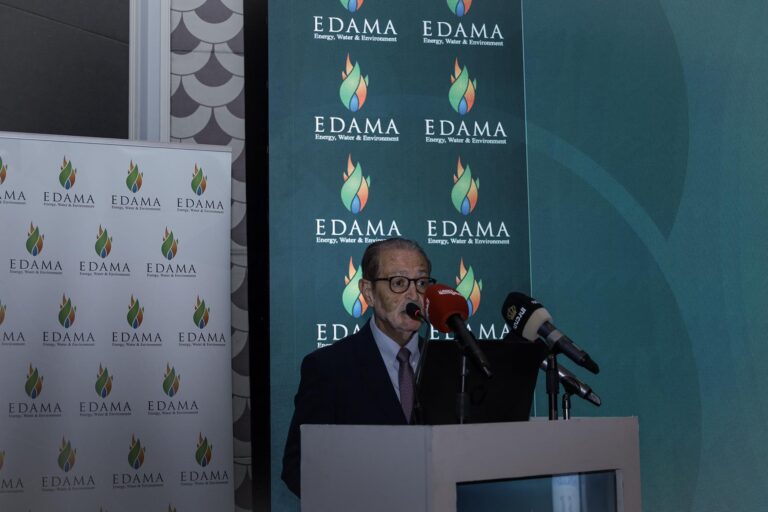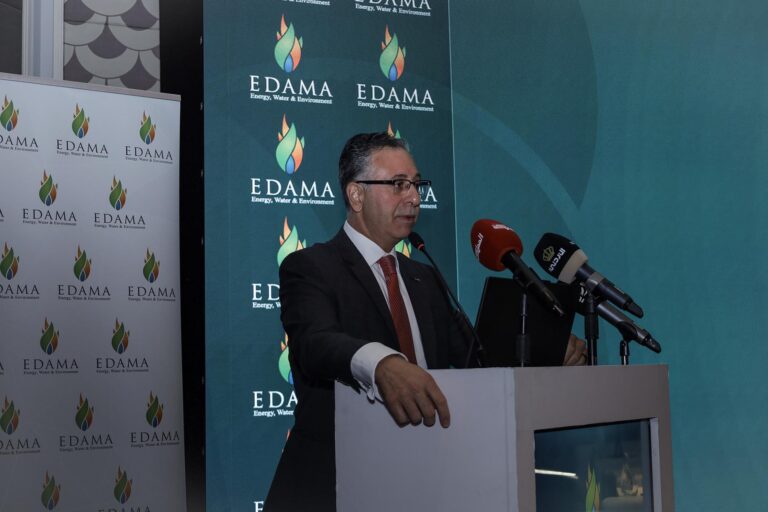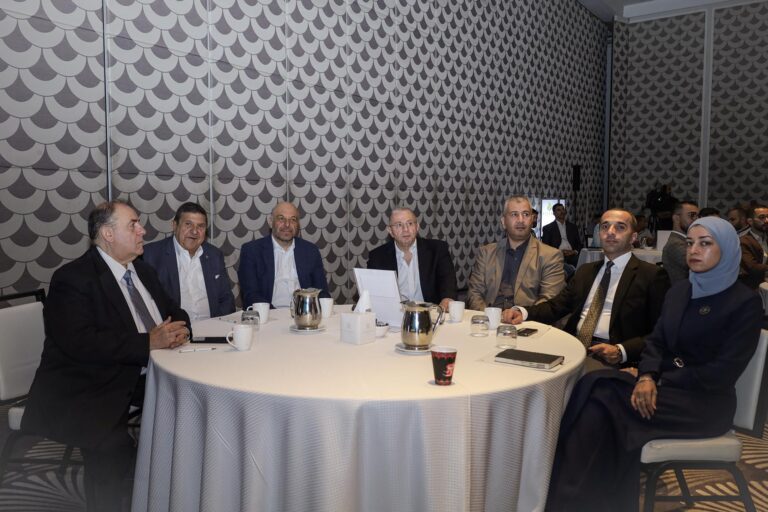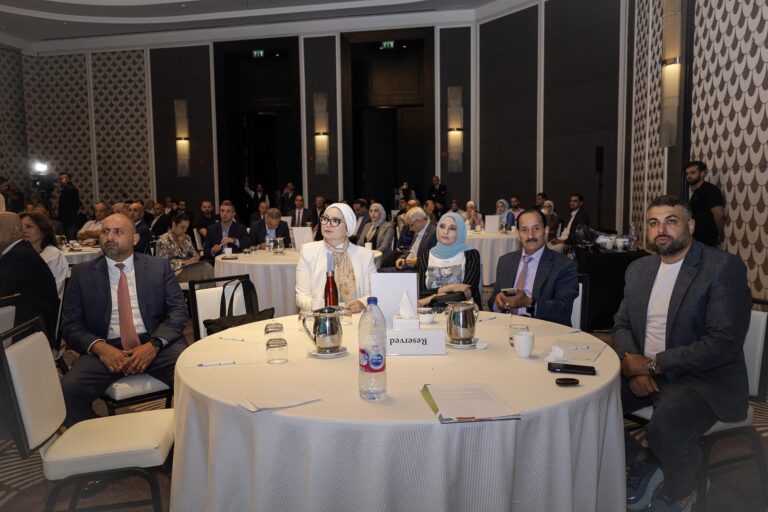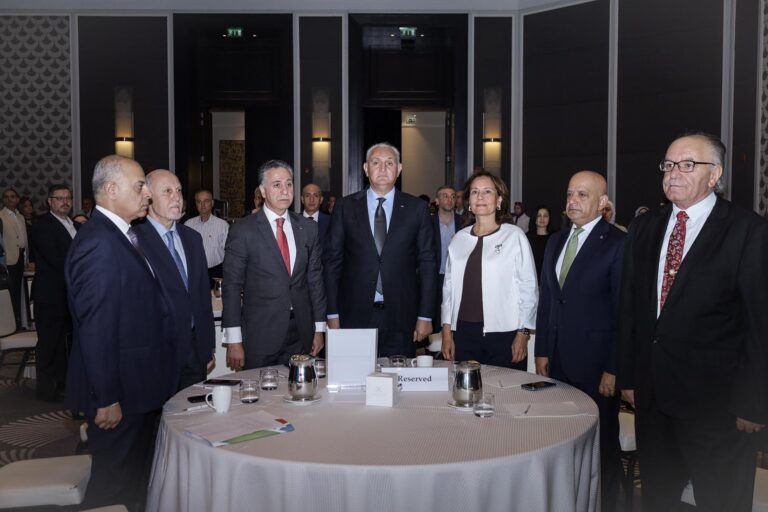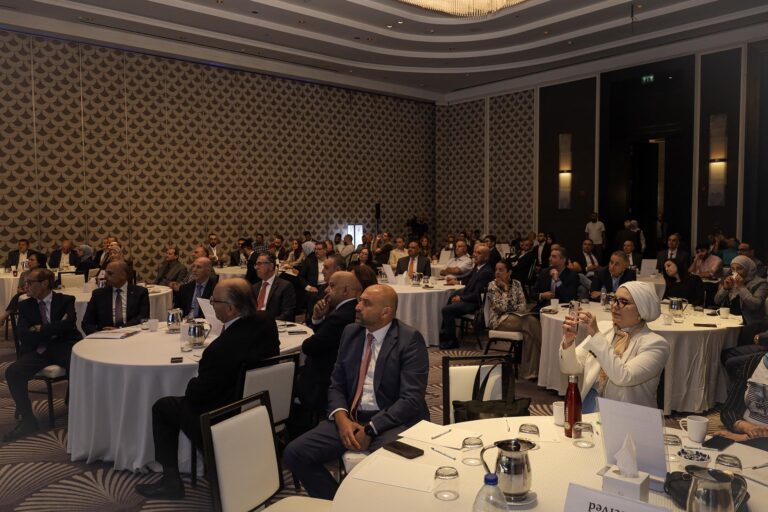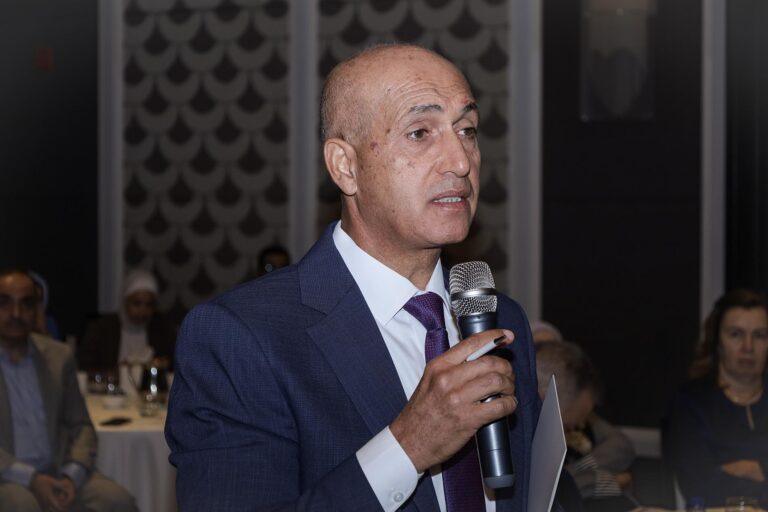
On 12 July 2026, EDAMA Energy, Water and Environment Association, under the patronage of H.E. Eng. Yarub Qudah, Minister of Industry, Trade and Supply, and in the presence of H.E. Dr. Ayman Suleiman, Minister of Environment and in partnership with the Green Action in Enterprises (GAIN) project, implemented by the German Agency for International Cooperation (GIZ), hosted a Power Breakfast titled “Circular Economy as Part of Jordan’s Resource Security Strategy.”
The event brought together a distinguished experts and high-level representation from the public and private sectors, alongside specialists in sustainable energy and circular economy, to discuss ways of strengthening Jordan’s resilience to critical raw material and supply chain risks through circular economy solutions.
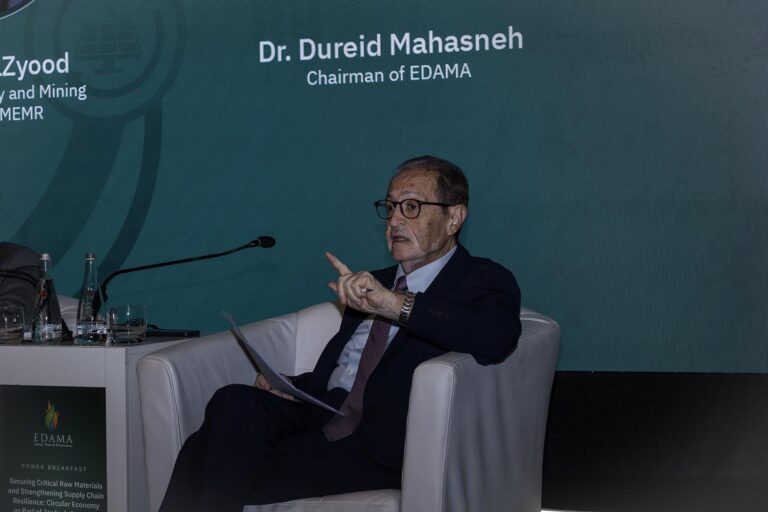
In his welcoming remarks, Dr. Dureid Mahasneh, EDAMA Chairman, emphasized the strategic importance of positioning circular economy as a strategic asset to the national resource security and economic resilience agenda, contrary to current emphasis on its environmental value. Dr. Dureid further stressed the need for closer coordination between the public and private sectors to advance this agenda.
Special guest to this Power Breakfast H.E. Eng. Yarub Qudah, Minister of Industry, Trade and Supply, highlighted that the ministry has included principles of circular and green economy into its Industrial Policy Strategy, the guiding plan for the industrial transition towards more environmentally friendly and resource-efficient production. Additionally, the Economic Modernisation Vision under the High Value Driver and the Green Driver focusses on relevant pilot projects to create lighthouse towers for other manufacturers to follow. Meanwhile, anchoring these principles beyond economic growth into the wider security architecture is something important to explore by both private and public sector.
Co-author of the jointly published policy paper “Closing the Loop through Circularity: Key Recommendations for a More Resilient Economy” and representing the GAIN Project, Eng. Shada El-Sherif, Founder and CEO of Sustain MENA, presented key recommendations, outlining circular economy as a strategic response to Jordan’s exposure to critical raw material risks and need for further resilience. She further stressed that such an incorporation can create the necessary diversification of supply and increase local value creation and improved competitiveness through reduced import dependency.
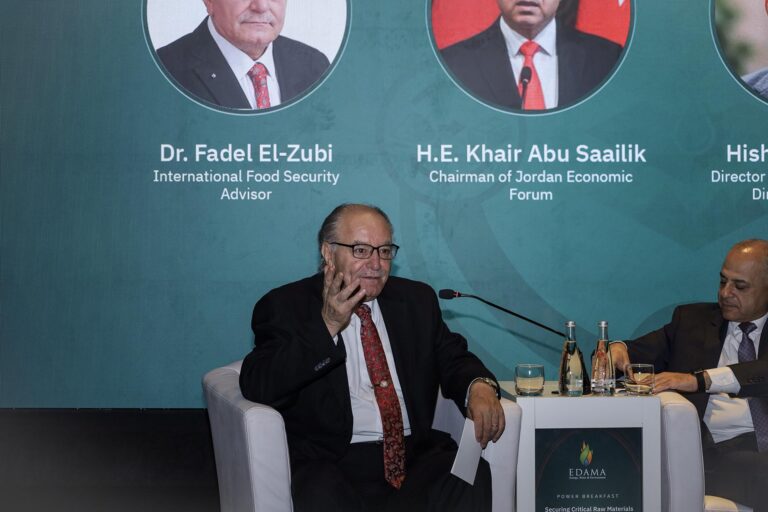
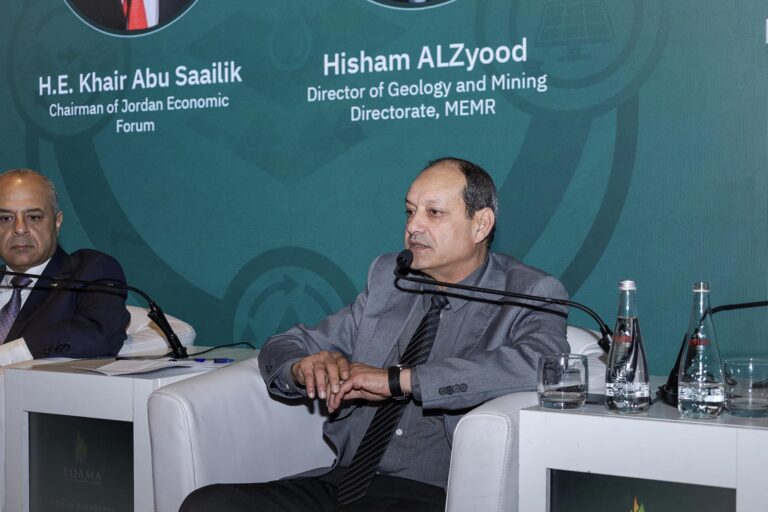
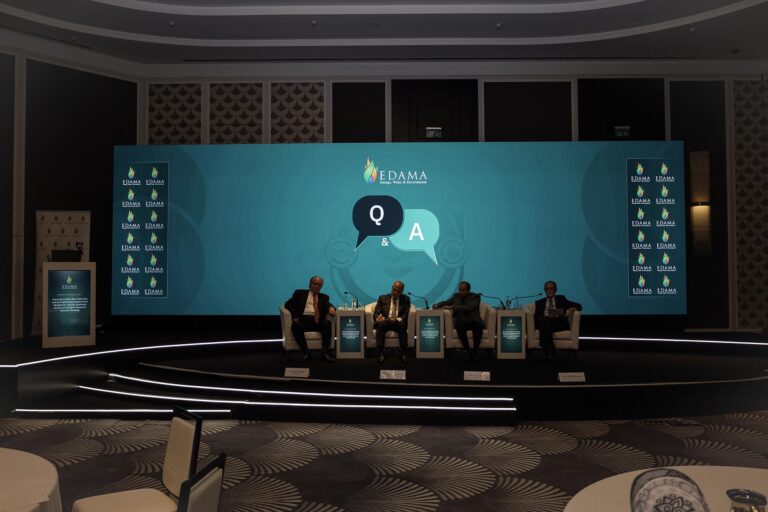
The event then featured a panel discussion bringing together H.E. Khair Abu Saailik, Chairman of the Jordan Economic Forum; Dr. Fadel El-Zubi, International Food Security Advisor; and Hisham Al-Zyood, Director of the Geology and Mining Directorate at the Ministry of Energy and Mineral Resources. The panelists jointly concluded by emphasizing the need to strengthen institutional coordination, secure adequate financing, enforce existing policies, and transition from donor-funded pilot projects to sustainable and bankable business models that reduce reliance on imported primary resources. They stressed that the circular economy should be viewed as a key driver of job creation and resource security, rather than solely as a waste management approach. They also highlighted the importance of advancing industrial symbiosis from isolated initiatives to an institutionalized framework, implementing Extended Producer Responsibility (EPR), and integrating circular economy principles across the industrial, food, water, and mining sectors in line with Jordan’s Economic Modernization Vision.
The speakers further underscored the importance of adopting circular economy practices to improve resource efficiency, strengthen linkages between industrial inputs and outputs, enhance value chains, promote local manufacturing, maximize the use of national resources, and position Jordan competitively in regional and international markets.
In the same context, participants noted that while Jordan has several relevant national strategies, there remains a need for a unified framework to ensure their alignment and effective implementation. They also emphasized the government’s role in supporting the energy and mining sectors, maximizing the utilization of the country’s natural resources, and addressing technical barriers to expanding renewable energy—particularly challenges related to electricity grid capacity and energy storage. They stressed that upgrading infrastructure and aligning these efforts with national strategies and the Economic Modernization Vision will be essential to advancing Jordan’s green transition.
It is worth noting that the Power Breakfast is part of a series of events organized by EDAMA Association for Energy, Water and Environment, aimed at fostering dialogue between the public and private sectors and bringing together decision-makers and key stakeholders to discuss national priority issues, while building partnerships that support sustainable development and green growth in Jordan.